A sump pump is easy to overlook when the basement floor is dry. The choice becomes more urgent when heavy rain arrives and the power fails. A water pressure backup sump pump can help move water from the sump pit without relying on household electricity. It uses municipal water pressure, so its performance depends on the supply available at your home. That detail matters.
A quiet pump may seem like an obvious safeguard, but a backup system is not a one-size-fits-all purchase. Consider your home’s water pressure, the pump’s rated capacity, and how high water must travel before reaching the discharge line. Check the installation requirements, too. Some setups need specific piping, a backflow-prevention device, or a licensed plumber. Local plumbing requirements can vary, so confirm them before work begins. Small details count.
This guide presents seven practical tips for choosing a water pressure backup sump pump. It covers capacity, compatibility, water use, maintenance, and the questions worth asking before you buy. A product label alone cannot tell you how a pump will perform in your basement. Measure the pit, inspect the existing discharge pipe, and learn how often flooding has occurred. Even careful planning has limits. Municipal water can also fail or lose pressure, so this type of backup may not suit every home. A little doubt is useful here. The right choice is the one that fits your home’s conditions, not simply the one with the boldest claims.
How a Water Pressure Backup Sump Pump Works
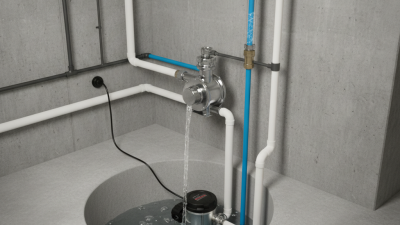
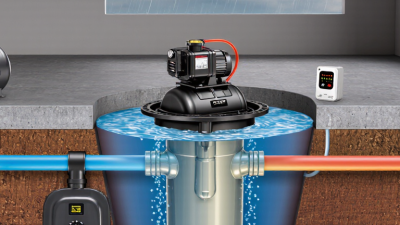
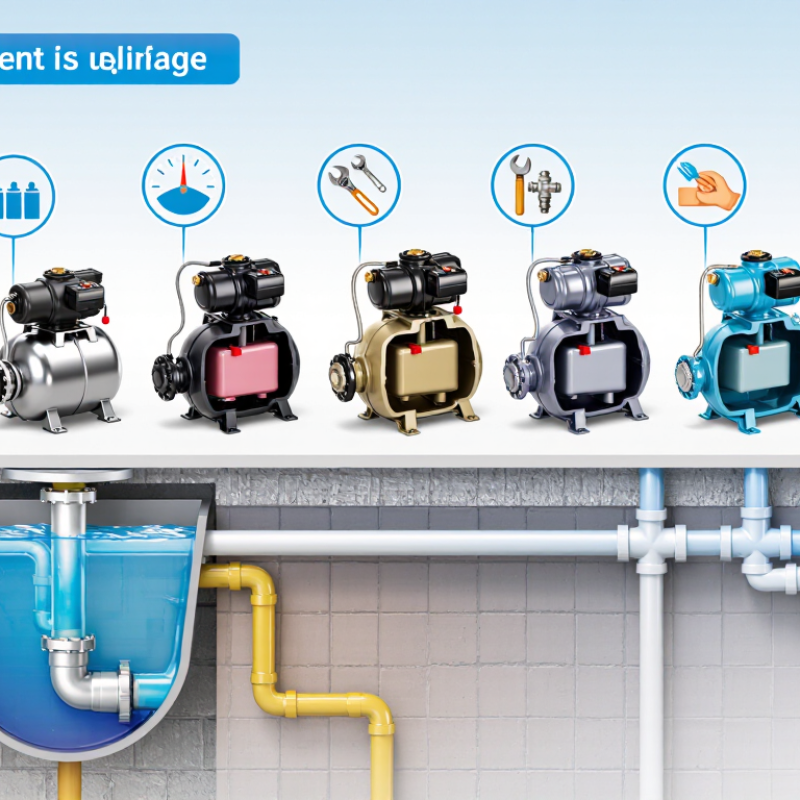
A water-pressure backup sump pump uses municipal water pressure instead of a battery or household electricity. When rising water lifts its float switch, a valve opens and sends pressurized water through a narrow nozzle. That fast stream creates suction in a venturi chamber, drawing water from the sump pit. The two flows then leave through a discharge pipe. No motor. No battery.
The mechanism is simple, but its performance depends on the home’s incoming water pressure and the pump’s setup. If pressure drops during a storm or a supply interruption, pumping capacity can fall. The 2021 ASCE Report Card for America’s Infrastructure estimated that roughly 6 billion gallons of treated water are lost daily through leaks in U.S. distribution systems. That figure does not predict a particular home’s pressure, but it shows why supply conditions deserve attention. A plumber can measure pressure at the installation point and confirm the required backflow protection.
Check the float, valve, and discharge line periodically. Keep the outlet clear of leaves and ice. A test matters. Pour water into the pit and watch whether the backup starts and carries water away. Yet a quick test cannot reproduce every outage or storm condition. That limitation is easy to overlook. Water-powered backup also consumes tap water while running, so compare local water pressure, expected flow, and operating costs before choosing a unit.
Municipal water pressure drives a water-powered backup sump pump. This chart converts pressure units using 1 PSI = 0.06895 bar; it does not indicate pump output. Check the pump’s specifications for its required pressure and rated discharge, since performance also depends on lift and plumbing.
A water-pressure backup sump pump relies on a steady supply of pressurized water, so check what your home can actually provide. Find out whether you use municipal water or a private well. With a well, the backup may depend on an electric pump, which could stop during a power outage. Pressure can fluctuate. Test at different times, and note whether it drops when a shower or washing machine is running.
Tip: Measure pressure under realistic conditions. A plumber can check both static pressure and pressure while water is flowing. Compare those readings with the pump’s published minimum requirements; a single faucet test may not reveal a shortage. Also confirm that your supply line can deliver enough flow for the pump’s rated capacity. Check it twice.
Don’t assume normal pressure means dependable backup. Ask your water provider about outages or pressure changes in your area, and consider whether the same storm that floods your basement could interrupt supply. If readings are borderline, get a qualified plumber to assess the line and installation before choosing a pump. I’d be cautious about relying on one quick measurement; household demand changes, sometimes at inconvenient moments.
A backup pump should match the water entering your sump pit, not just the size of the basement. Check how quickly the pit fills during heavy rain, and note how often the primary pump cycles. A pit that rises several inches in minutes needs more backup capacity than one that fills slowly. Keep a simple record; a single storm may not show the whole pattern.
Next, compare the backup pump’s rated flow at your actual discharge height. A pump may move plenty of water near floor level but much less when it must lift water several feet and push it through a long, narrow pipe. Look for a performance chart, and measure from the pump outlet to the discharge point. Small details matter. So does water pressure. Pressure-powered pumps can deliver less flow when household supply pressure is low, so check the rating at the pressure your home can reliably provide. If you use a private well, confirm compatibility before choosing.
Leave some margin above your observed inflow, but avoid buying by the largest advertised number alone. The rating may assume ideal conditions, which your basement rarely has. Check that the discharge line is clear and properly sized, then test the backup pump under realistic conditions. A bucket test can reveal a weak flow, though it cannot reproduce a long storm. That limitation is easy to forget.
| Tip | What to assess | Practical guidance | Why it matters |
|---|---|---|---|
| 1 | Estimate peak water inflow | Observe how quickly the sump pit refills during heavy rain or a controlled test. For a cylindrical pit, estimate gallons per rise using: gallons = 3.14 × radius² × water-level rise ÷ 231, with measurements in inches. An 18-inch-diameter pit rising 6 inches holds about 5.3 gallons. | A realistic inflow estimate is the starting point for matching backup capacity to basement conditions. |
| 2 | Check capacity at actual lift | Compare the pump’s flow rating at the system’s total vertical lift and discharge conditions—not just its maximum or “zero-head” rating. Include the height from the pump outlet to the discharge point and account for pipe length, fittings, and other restrictions. | A pump’s delivered flow generally decreases as the required head increases. |
| 3 | Match rated flow to inflow | Select a unit whose published flow at the measured lift exceeds the estimated peak inflow. Use the manufacturer’s performance chart, and ask a qualified installer to assess unusually high inflow, a deep basement, or a long discharge run. | Choosing by a headline capacity alone can leave too little pumping ability under real installation conditions. |
| 4 | Verify the water supply | Water-pressure backup pumps need a dependable pressurized water supply. Confirm the pressure and flow available at the installation point against the unit’s requirements. A private well may not provide water during an outage if its well pump also loses power. | Backup performance depends on the supply conditions, not just the pump’s advertised discharge capacity. |
| 5 | Understand water use and local rules | Review the unit’s stated water consumption and discharge requirements. Check local plumbing codes and requirements for backflow prevention, potable-water connections, and where pumped water may be discharged. Have a licensed plumber complete the connection where required. | These pumps use supply water to move sump water, so installation must protect the water system and comply with local rules. |
| 6 | Check pit fit and controls | Measure the pit’s diameter and usable depth. Confirm the backup pump and float switch can be installed without obstructing the primary pump, its float, or the discharge piping. Check the specified activation level and clearance requirements. | Poor fit or a float that cannot move freely can prevent the backup from activating when needed. |
| 7 | Plan for testing and alerts | Look for a clear test procedure, an audible or visual alarm, and accessible shutoff valves. Test the system according to the manufacturer’s instructions and inspect the pump, float, supply connection, and discharge line regularly. | Routine checks can reveal a stuck float, blocked line, closed valve, or unavailable water supply before a storm. |
Capacity figures vary by model and installation. Always use the manufacturer’s flow curve and verify site-specific water pressure, lift, plumbing requirements, and local codes before selecting or installing a backup pump.
A water-pressure backup pump must match the house’s plumbing, not just the sump pit. Check the pump’s required inlet pressure against measured pressure at the proposed connection, including when a shower or washing machine is running. Compare its rated discharge at that pressure with the basement’s vertical lift and the distance to the outlet. A performance figure without its test pressure can mislead.
Confirm the pit has room for the pump and float, and that the discharge pipe size, check valve, and outlet route meet the pump instructions. The water supply must also have enough capacity; a narrow branch or pressure drop can reduce pumping just when heavy rain raises the water level. Backflow protection and potable-water connections need review under local plumbing requirements. Get a qualified plumber to verify the connection. Small detail, big consequence.
Insurance data gives the risk some context:
The Insurance Information Institute, using ISO data for 2014–2018, reported that water damage and freezing made up 19.4% of homeowners’ claims, with an average claim of $10,849.
That figure is not specific to sump failures, but it supports careful installation. Before purchase, test the existing pump, measure the pit, and record supply pressure. I would still recheck the discharge route after installation; it is easy to overlook.
When comparing a water-pressure backup sump pump, check what powers it: municipal water pressure, not a charged battery. This avoids battery charging and replacement concerns, but a water outage or weak pressure can leave it unable to pump. Have a qualified plumber check pressure and flow where the unit will connect, including during busy household periods. Test the float switch and discharge line with a controlled water test. Small details matter.
Maintenance is usually modest, but it is not zero. Inspect the inlet screen, valve, float, and discharge piping for sediment, sticking, leaks, or freezing. Exercise the pump periodically and check that the discharge path remains clear. Unlike a battery unit, it has no battery replacement schedule; it still depends on functional plumbing and regular inspection. That distinction is easy to miss.
Operating costs depend on run time and local water and sewer rates. Some water-powered models can use substantial amounts of water while pumping, so repeated storms may increase utility charges. Battery backups use little or no water, but batteries wear out, and chargers consume a small amount of electricity. Compare installation, water use, replacement parts, and maintenance over several years, not just the purchase price. I would not assume the lowest estimate is the best fit.