What Is the Best Water Backup Sump Pump in 2026?

Basement flooding rarely gives a convenient warning. A few inches of water can damage stored belongings, flooring, and equipment before anyone notices. A water backup sump pump offers another line of defense when a primary electric pump loses power or fails. But backup systems differ in how they operate, how much water they can move, and what they need to work. There is no universal winner. That matters.

This guide examines what makes the best water backup sump pump in 2026, with practical details homeowners can verify. It considers pumping capacity, backup duration, alarms, installation requirements, maintenance, and the conditions in your basement. Water-powered models depend on adequate municipal pressure; battery systems need a charged, maintained battery. A published flow rate alone may not tell the whole story. Discharge height and real plumbing conditions can change performance. Specifications can look reassuring on paper—and still leave questions. We’ll also consider product support, warranty terms, and whether instructions clearly explain testing and upkeep. The right choice should fit your pit, plumbing, and likely outage conditions, not just a comparison chart. Check the manufacturer’s current documentation and consult a qualified installer when your setup is uncertain. A backup pump cannot prevent every flood, but a carefully matched system can provide useful protection when the primary pump stops.
What Is the Best Water Backup Sump Pump in 2026?

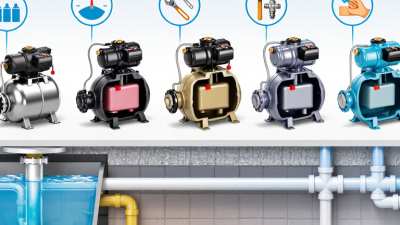
Define Backup Sump Pump Types: Battery, Water-Powered, and Generator

What Is the Best Water Backup Sump Pump in 2026?

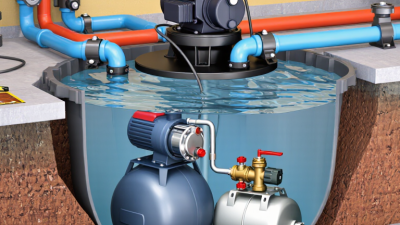
The best backup sump pump depends on your basement, water supply, and typical outages. No single type suits every home. A backup system keeps water moving when the main pump loses power or stops working. Even a few inches of water can damage stored boxes and flooring.

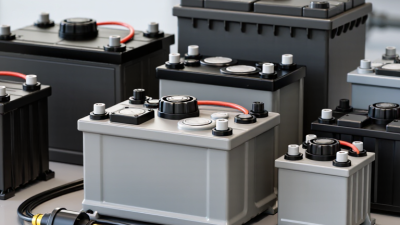
Battery-powered pumps use a charged battery, so they can operate during a blackout without household electricity. Their runtime depends on battery capacity, pump demand, and how often water enters the pit.

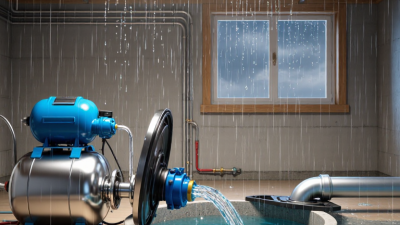
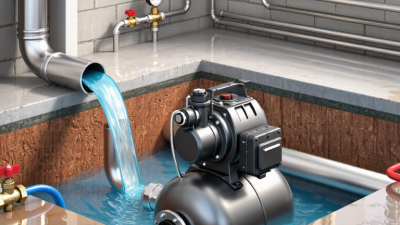
Water-powered pumps use pressurized municipal water to create suction and discharge water. They may be unsuitable for homes with a private well or unreliable water pressure.

Generator backup can run a standard sump pump, but the generator must handle its startup surge. It also needs safe outdoor placement and a suitable connection. That matters. Each option has trade-offs, and backup equipment needs testing.

Tips: Check the pit after heavy rain, test the alarm, and inspect battery connections. Ask a qualified installer to verify water pressure or generator capacity. I once thought a quiet test meant everything was fine; it did not confirm the battery could handle repeated pumping. Review the system’s limits before storm season.

Compare Manufacturer Flow Curves in GPH at 10-Foot Head

A backup sump pump’s headline GPH rating can mislead: it may describe flow at little or no lift. Compare each manufacturer’s published flow curve at 10 feet of head, using the same units. Ten feet of water equals about 4.33 psi, but installed resistance also comes from pipe length, bends, and the check valve. A curve point is more useful than a maximum-flow claim.

Hydraulic Institute’s ANSI/HI 14.6-2022 standard outlines hydraulic performance acceptance testing for rotodynamic pumps. It reinforces why test conditions matter when reading published performance. Check whether the curve specifies water, voltage, and operating conditions, and confirm that 10 feet means total head—not merely vertical lift. Convert GPH to GPM by dividing by 60. That distinction matters. A pump rated at 3,000 GPH at zero head may deliver much less at 10 feet.

The Insurance Information Institute reported that water damage and freezing made up 22.6% of homeowners’ claims from 2018 to 2022, with an average claim of $13,954. That is a reason to compare carefully, not to assume one pump suits every pit. I would treat the 10-foot figure as a consistent screening point, not a guarantee: actual discharge height and plumbing can change the result. Check the curve’s exact value, then allow practical margin for your layout.

Size Battery Runtime Using Amp-Hours and Pump Current Draw

What Is the Best Water Backup Sump Pump in 2026?

Choose a backup system by matching battery capacity to the pump’s actual current draw, not by guessing from battery size. Use this estimate:

usable amp-hours ÷ pump amps ÷ duty cycle = approximate runtime.

For example, a 100-Ah battery with 50 Ah available, paired with a 10-A pump running continuously, provides about five hours. If it runs one-quarter of each hour, the estimate becomes about 20 hours. That is an estimate, not a promise.

IEEE Standard 1188-2005 describes capacity testing for stationary lead-acid batteries under defined conditions. The principle matters here: temperature, discharge rate, battery age, and cutoff voltage affect usable capacity. Check the pump’s nameplate current, then allow extra capacity for startup surges and inverter losses if it uses an AC pump. A 12-volt battery powering a 120-volt pump through an inverter may draw substantially more current than the pump’s AC rating suggests. That estimate is tidy; a wet basement rarely is.

Tips: Run a timed bucket test to learn how often the pump cycles during heavy inflow. Multiply the battery’s usable amp-hours by your expected duty cycle, then compare the result with your target outage duration. Recheck the battery’s condition each year. Small details matter.

Check UL 778 Listings, Alarm Features, and Installation Requirements

A dependable water backup sump pump is more than a second pump in the pit. Check the exact model’s certification and intended use. For a motor-operated water pump, look for a current UL 778 listing in an authoritative certification directory. Confirm the model number matches exactly; similar names can hide different specifications. A listing does not prove that your plumbing, wiring, or installation meets local requirements. That distinction matters.

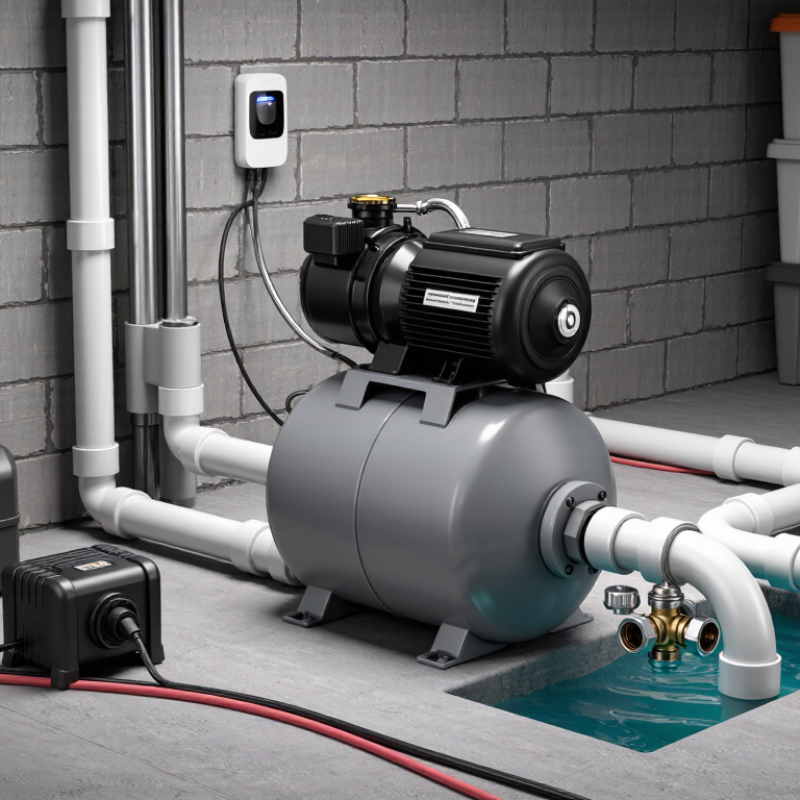
Look for an alarm that clearly signals rising water, pump failure, or low battery, where applicable. Test the alarm and backup pump before storm season, then repeat the test as the manufacturer directs. During installation, follow the manual’s requirements for mounting, discharge piping, check valves, and power. A water-powered backup may also need suitable supply pressure and backflow protection under local plumbing rules. Ask a qualified installer or local authority when requirements are unclear. A pump can be certified and still perform poorly if the discharge line is restricted or the setup does not suit the pit.

Tips: Pour water into the sump pit to trigger a controlled test. Listen for the alarm, watch the discharge, and note how quickly the pump starts. Keep the manual nearby. I would not assume that a quiet alarm means everything is fine; test it directly.

What Is the Best Water Backup Sump Pump in 2026? — Check UL 778 Listings, Alarm Features, and Installation Requirements

Evaluation dimension What to check Useful selection benchmark Installation and safety notes
UL 778 listing Check the exact model and product category in UL’s certification directory or the applicable certification database. UL 778 covers motor-operated water pumps; it may not apply to every water-powered backup design. Look for a verifiable listing for the exact model—not just a general claim that a product is “UL compliant.” A pump listing does not certify the entire sump installation. Follow the pump instructions and local electrical and plumbing requirements.
Backup power or water source Identify whether the backup uses a battery or pressurized water, and confirm what remains available during the outage scenario you expect. Battery systems depend on battery condition and charge; water-powered systems depend on adequate supply pressure and flow. A water-powered unit may not help if water service is interrupted. If supplied by a well system, check compatibility and the effects on the well pump and pressure tank.
Pumping capacity at installed lift Read the performance curve for flow at the required vertical lift and discharge conditions, rather than relying only on a maximum-flow figure. Compare the stated flow with the estimated inflow to the pit and the lift to the discharge point. Capacity generally decreases as lift and system resistance increase. Account for discharge-pipe length, fittings, and check valves when assessing the installed operating point.
Water pressure and consumption For a water-powered pump, check the manufacturer’s required inlet pressure, flow, and water use at the expected operating conditions. Confirm performance using the pressure available at the proposed connection while other household fixtures may be operating. Water-powered units use potable water and discharge both pumped sump water and supply water. Check local plumbing rules and required backflow protection.
High-water and system alarms Check for a high-water alarm, pump or power-failure indication, and a low-battery alert where applicable. An audible alarm is useful; a notification feature can add warning when the property is unoccupied, if it has a reliable connection and power source. Test alarms regularly and confirm that the alarm sensor is positioned to alert before water reaches vulnerable areas.
Float switch and activation level Review how the backup pump starts, its switch range, and whether the switch can move freely in the installed basin. Choose activation levels that allow the primary pump to operate normally while starting the backup before the pit overflows. Keep switches clear of the primary pump, pit walls, wiring, and accumulated debris. Follow the manufacturer’s spacing instructions.
Discharge piping and check valve Confirm the permitted pipe size, check-valve arrangement, and discharge route for the backup unit. Use a discharge route that carries water away from the foundation and does not create an unintended connection between pump lines. Protect exterior discharge piping from blockage and freezing where relevant. Observe local rules for discharge location and stormwater connections.
Battery runtime and maintenance For battery backup, check compatible battery type, estimated runtime assumptions, charging status, and replacement guidance. Compare runtime estimates at the expected pumping frequency; actual runtime varies with battery condition, load, and how often the pump cycles. Install and ventilate the battery as instructed. Inspect connections and test the system periodically, including after battery replacement.
Overall best fit Match the backup type to the home’s outage risks, water supply, sump inflow, installation space, and maintenance needs. The strongest choice is the system with verified suitability and adequate capacity at the actual installation conditions—not simply the highest advertised flow. Have a qualified installer review plumbing, electrical, discharge, and backflow details when the requirements are unclear.

Rank 2026 Models by Rated Capacity, Runtime, Reliability, and Cost

A useful 2026 ranking should compare water-powered backup sump pumps under the same conditions. Rated capacity matters, but a headline gallons-per-hour figure can mislead. Check the tested water pressure and vertical lift; a pump moving 1,500 gallons per hour at a low lift may deliver far less in a deep pit. Pressure matters.

Rank high-capacity models first only when their ratings match your home’s water pressure and discharge height. Next, consider balanced models with moderate flow and simpler installation. Lower-cost units may suit shallow pits, but check valve quality, fitting compatibility, and whether the package includes a high-water alarm. Prices vary by location, and installation can change the total cost.

Runtime works differently here than with battery backups. A water-powered pump can continue while municipal pressure and water supply remain available, but it uses fresh water as it operates. During a local outage, that supply may not be dependable. That ranking is imperfect. Reliability also depends on a clear intake, secure plumbing, and regular tests. Before choosing, compare each model’s rated capacity at your actual lift, estimated water use, warranty terms, and installed cost. A bucket test can reveal whether your setup performs as expected.