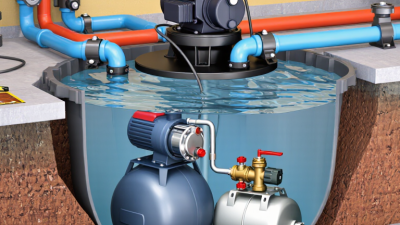
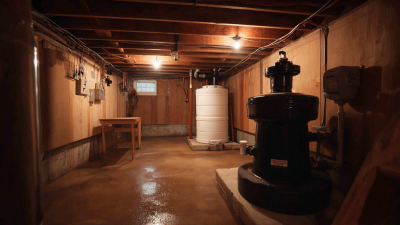
A sump pump often sits unnoticed in a quiet basement, until heavy rain raises the water level. When the power fails, a backup system may help protect stored belongings, finished flooring, and essential equipment. The battery is central to that support. Choosing a back up sump pump battery therefore means looking beyond a product photo or a low quoted price.
China has a broad base of battery manufacturers and suppliers serving residential and industrial markets. Their products can differ in chemistry, rated capacity, discharge performance, charging requirements, and enclosure design. Small details matter. A battery that looks suitable may not match a pump’s voltage, charger, or control system. Buyers should request current technical datasheets and confirm compatibility with the exact pump model. Runtime claims also need context: pump size, water inflow, battery condition, and operating cycles all affect actual backup time.
This article introduces leading Chinese manufacturers and the factors that help distinguish them. It considers product range, manufacturing experience, quality-control practices, documentation, and after-sales support. Ask whether capacity figures are tested under stated conditions, and whether production batches can be traced. Independent test reports and clear warranty terms can make comparisons more useful, though they do not guarantee identical field results. That part can be frustrating. Supplier information is not always presented in the same format, so careful verification remains necessary. A sensible shortlist starts with application fit, then weighs performance, service, and price together.
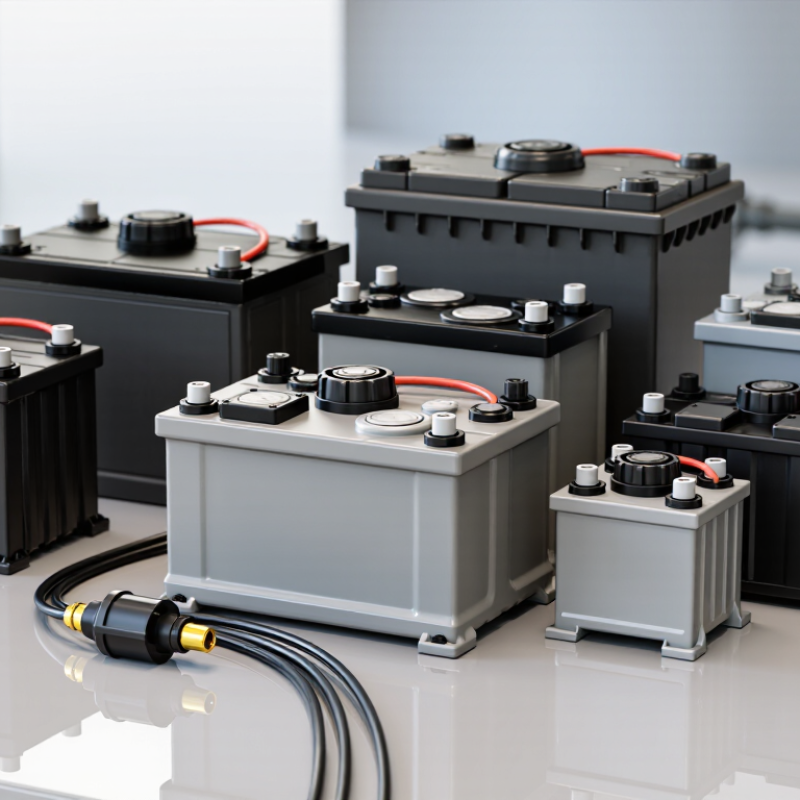
A backup sump pump battery keeps water moving when the main pump loses power. During heavy rain, that quiet reserve can protect a basement from rising water. The U.S. Energy Information Administration’s 2022 reliability data reported an average of about 5.5 hours of electricity interruptions per customer, including major events. A short outage may be enough to matter if groundwater is already entering the sump pit. FEMA also warns that just one inch of floodwater can cause about $25,000 in damage to an average home. These figures show the stakes, but they cannot predict conditions in any one basement.
Battery runtime depends on pump current, water inflow, lift height, battery age, and temperature. Deep-cycle batteries are designed for repeated discharge, but capacity ratings alone do not tell you how long a pump will run. Charger compatibility matters too, especially when comparing lead-acid and lithium battery systems. A system that looks adequate on paper may perform differently during a real storm. That deserves a practical test.
Tips: Check the battery’s condition and charger indicators regularly. Simulate an outage using the manufacturer’s test procedure, and confirm that water actually exits the discharge pipe. Record the test date. Replace a battery when it fails the recommended checks, not just when it looks old.
China’s backup sump pump battery manufacturing landscape combines battery production, enclosure fabrication, and pump-system integration. Factories may serve domestic and export customers, with capabilities ranging from basic assembly to customized voltage, capacity, and terminal layouts. The supply chain is practical. Battery cells, plastic cases, wiring, and chargers must work together in a damp utility space.
Sealed lead-acid batteries remain common in backup applications because they are familiar and comparatively straightforward to specify. Some manufacturers also develop lithium-based options, which can reduce weight but require compatible charging and protection systems. Quality checks matter: discharge testing, terminal inspection, and charger matching can reveal problems before a battery reaches a basement. Ask how capacity is measured, at what load, and under which conditions. A label alone tells little.
For buyers comparing suppliers, production consistency and traceable test records are more useful than a polished sample. A factory visit may show whether workers check seals, wiring, and case fit, not just appearance. Still, one visit cannot prove long-term reliability. Samples can perform well while later batches vary. That concern deserves a direct conversation, especially when backup power may be needed during a storm. Temperature range, maintenance guidance, and replacement availability also shape real-world performance.
China-based backup sump pump manufacturers typically build portfolios around a primary pump, a 12-volt backup pump, a charger, and a deep-cycle battery. More complete packages add a water-level alarm, automatic transfer controls, and remote alerts. Buyers should compare flow at the stated discharge head, not just the maximum flow printed on a product sheet. That number can look impressive. It may not reflect a real basement installation.
NOAA’s 2023 Billion-Dollar Weather and Climate Disasters report recorded 28 U.S. weather and climate events with losses of at least $1 billion each. FEMA also warns that one inch of floodwater can cause about $25,000 in damage to a home. These figures make backup capability more than a catalog feature. When evaluating supplier portfolios, check battery runtime assumptions, recharge time, float-switch design, and alarm behavior during a power cut. Ask for test conditions and replacement-part availability. A weakness in many product comparisons is the lack of consistent test conditions. Runtime claims are difficult to compare when battery age, pump head, and water inflow differ. Details matter.
Deep-cycle batteries used with backup sump pump systems are commonly available in capacities such as 75, 100, and 120 amp-hours (Ah). Higher capacity can provide more stored energy, though actual runtime depends on pump load, battery condition, and system efficiency.
These are representative battery capacity ratings, not manufacturer rankings or guaranteed runtime figures. Check each pump system’s battery compatibility and performance specifications before selecting a battery.
China Top Backup Sump Pump Battery Manufacturers
Battery selection starts with chemistry and the pump’s real load. Sealed lead-acid batteries are common, while lithium options can reduce weight and tolerate more charge cycles. Yet a printed amp-hour rating does not promise the same runtime under every load. Lead-acid capacity falls as discharge current rises, so test reports should state the load, temperature, and cutoff voltage. Cold changes everything.
Quality checks should go beyond a quick voltage reading. IEEE 1188 offers maintenance and testing guidance for stationary valve-regulated lead-acid batteries; UL 1989 covers standby batteries. These references do not mean every pump battery is certified to them. Ask manufacturers for dated test records, capacity results, recharge times, and checks for leakage or terminal corrosion. A useful test runs the actual pump, not just a small electronic load.
Recycling data also matters when comparing battery supply chains. The U.S. Environmental Protection Agency’s 2018 materials-management report puts lead-acid battery recycling at about 99 percent. That figure reflects recovery, not battery reliability. Numbers need context. A careful supplier should disclose test conditions and repeat results across production batches. Some specifications still leave gaps; runtime in a warm lab may not match a damp, cold basement.
| Data dimension | Flooded lead-acid | AGM lead-acid (VRLA) | Lithium iron phosphate (LFP) |
|---|---|---|---|
| Battery construction | Lead-acid cells with liquid electrolyte; removable caps are common on serviceable models. | Valve-regulated lead-acid (VRLA) design with electrolyte held in a glass-fiber mat. | Lithium-ion cells using a lithium iron phosphate cathode; a battery management system (BMS) is generally required. |
| Practical considerations for backup pumping | Requires periodic electrolyte-level checks where serviceable. Charging can produce hydrogen, so installation must follow ventilation and safety instructions. | Sealed construction reduces routine watering needs. It can still vent gas under abnormal conditions and should be installed and charged as specified. | Requires a compatible charger and BMS. Confirm that the backup pump controller supports the battery’s voltage range and charging profile. |
| Capacity and runtime factors | Runtime depends on rated capacity, discharge rate, battery condition, temperature, pump current, and the controller’s low-voltage cutoff. | Capacity ratings depend on the specified discharge duration and cutoff voltage. Actual runtime varies with load, temperature, age, and charging history. | Usable energy depends on pack design, BMS limits, temperature, and pump load. A lead-acid runtime estimate should not be applied without checking the specific LFP system. |
| Common production quality controls | Typical controls include plate and grid inspection, electrolyte checks, terminal and seal inspection, charge verification, and lot traceability. | Typical controls include cell matching, weld and terminal inspection, seal integrity checks, charge acceptance checks, and verification of valve and case assembly. | Typical controls include cell-voltage and resistance matching, pack wiring and insulation inspection, BMS function checks, and verification of protective cutoffs. |
| Relevant standards to check | UL 1989 covers batteries for standby power applications. Confirm that the specific battery model and intended use fall within its certification scope. | IEC 60896-21 and IEC 60896-22 address test methods and requirements for stationary VRLA batteries. UL 1989 may also be relevant to standby battery applications. | IEC 62619 addresses safety requirements for industrial lithium secondary cells and batteries; UL 1973 covers batteries for stationary and other specified applications. Check the model’s certification scope. |
| Representative verification tests | Capacity testing at a defined discharge rate and cutoff voltage; charging and float-voltage checks; terminal, leakage, and visual inspections. | Capacity and charge-acceptance checks; open-circuit or float-voltage measurements; internal-resistance trending; case, seal, and terminal inspections. | Capacity and cycle testing; BMS over-voltage, under-voltage, over-current, and temperature-protection checks; insulation and pack-level functional tests. |
| Buyer verification points | Check nominal voltage, capacity rating conditions, terminal type, dimensions, maintenance instructions, and compatibility with the pump charger. | Check nominal voltage, rated capacity and test conditions, terminal arrangement, charger settings, and documented certification for the exact model. | Check nominal and operating voltage, continuous and peak current, BMS limits, charger compatibility, low-temperature charging restrictions, and exact-model safety documentation. |
Note: The testing practices shown are representative examples, not claims about every manufacturer. Standards and certification applicability depend on the battery design, intended use, market, and exact model. Always verify the product documentation and backup pump manufacturer’s compatibility requirements.
When evaluating Chinese backup sump pump battery suppliers, look beyond quoted capacity. Request the battery chemistry, rated voltage, usable capacity, and discharge curves under realistic loads. A pump drawing more current than expected can shorten runtime sharply. Ask whether the supplier tests each production batch and can share dated test records, not just a general specification sheet.
Tips: Confirm charger and controller compatibility. Check sample dimensions, terminal layout, and cable length. Ask for written warranty terms and a clear process for handling defects. Details matter.
A useful supplier should explain how runtime changes with pump power, water lift, and battery age. Request a sample and test it with your own pump, if practical. Record start-up behavior and runtime during repeated pumping cycles. Test it. Also review manufacturing traceability and how the supplier controls capacity variation between batches. A polished datasheet is helpful, but it cannot replace clear answers and repeatable test results. No single check proves long-term reliability; compare documents with sample performance before making a decision.